
Heart Surgery
Cardiac surgery, or cardiovascular surgery, is surgery on the heart or great vessels performed by cardiac surgeons. It is often used to treat complications of ischemic heart disease (for example, with coronary artery bypass grafting); to correct congenital heart disease; or to treat valvular heart disease from various causes, including endocarditis, rheumatic heart disease, and atherosclerosis. It also includes heart transplantation.
Heart Surgery
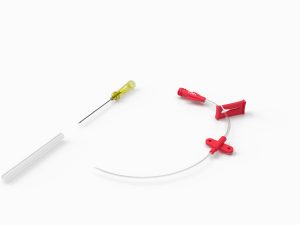
Arterial Catheter Set is the most commonly used in intensive care medicine and anesthesia to moni blood pressure directly and in real time and to obtain samples for arterial blood gas analysis. This set allows access to the peripheral arterial circulation or other small vessels.
Heart Surgery
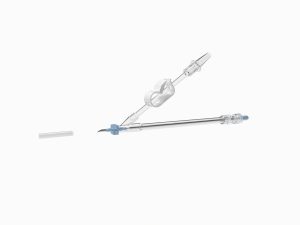
Aortic root cannula is used to administer cardioplegia solutions for the cardiopulmonary bypass procedure. Aortic root cannula with vent line is proposed for cardioplegia solutions administration, the left .heart venting, and aspirating emboli from the aorta
Heart Surgery
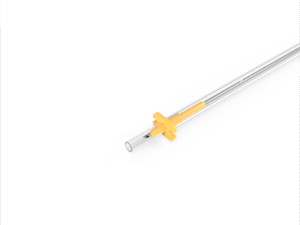
Aortic root cannula is used to administer cardioplegia solutions for the cardiopulmonary bypass procedure. Aortic root cannula with vent line is proposed for cardioplegia solutions administration, the left .heart venting, and aspirating emboli from the aorta

Heart Surgery
The cardioplegia adapter is a specialized connector in the cardiopulmonary bypass(CPB) system that enables controlled delivery of cardioplegia solution (cardiac) delivery of cardioplegia solution (cardiac arrest solution) to the aortic root or coronary arteries. It also provides a secure connection between the cardioplegia line,the aortic cannula, and the bypass pump.
Heart Surgery
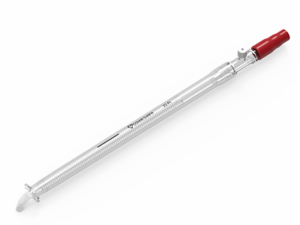
Arterial cannulae are designed for extra corporeal blood flow. During open-heart surgery, the surgeon from blood flow, and therefore, the heart canʼt pump blood. Blood is drained to the heart-lung machine. Aorta through the curved tip arterial cannula, so oxygenated blood from the heart and lung the patientʼs arterial system. machine is directly delivered to Then it returns to the shunts the heart
MODELS:
- Curved Tip Arterial Cannulae (Wirewound Reinforced)
- Curved Tip Arterial Cannulae (Wirewound Reinforced) Without Filter
Heart Surgery
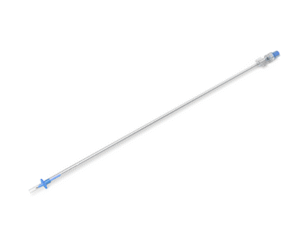
The minimally invasive aortic root cannula is designed for safe, efficient antegrade cardioplegia delivery through Mini sternotomy or right thoracotomy during cardiac surgery. Its long body enables easy insertion through smaller incisions, reducing tissue trauma while ensuring optimal myocardial protection.
Heart Surgery
used during cardiac surgery to establish extracorporeal The oxygenator tubing set is an essential component machine (oxygenator). It comprises a series of specialized circulation between the patient and the heart-lungmedical-grade tubes and connectors that enable the machine (oxygenator). It comprises a series of specialized safe and efficient transfer of blood throughout the cardiopulmonary bypass procedure.
Heart Surgery
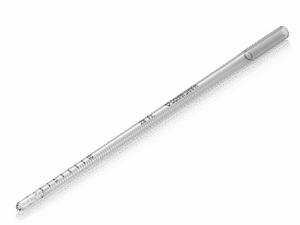
venous cannula is designed to drain systemic deoxygenated blood into the heart and lung machine during cardiopulmonary bypass surgery. It is used in cases where a completely bloodless space is desired (e.g., valve surgery) or access to the right atrium is necessary.
MODELS:
1. Flexible Single Stage Venous Cannula
Heart Surgery
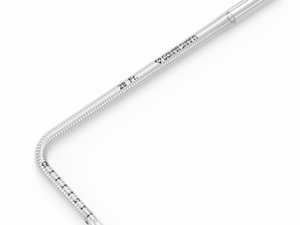
venous cannula is designed to drain systemic deoxygenated blood into the heart and lung machine during cardiopulmonary bypass surgery. It is used in cases where a completely bloodless space is desired (e.g., valve surgery) or access to the right atrium is necessary.
MODELS:
1. Malleable Single Stage Venous Cannula

Heart Surgery
Chest Tube has been designed and produced in a cone shape in the distal end so there is no need to use a connector to connect the tubes to the chest bottle or any other means. Designed in two forms, with a blue radiopaque line for open heart surgery and with gray radiopaque line for lung surgery.
MODELS:
1. Straigth Thoracic Catheter (Chest Tube)
2. Right Angle Thoracic Catheter (Chest Tube)

Heart Surgery
Chest Tube Discharg The Pleural Area
Gohar Shafa Chest tubes has been designed and produced in cone shape in distal end so there is no need to use a connector to connect the tubes to chest bottle or any other means.
Heart Surgery
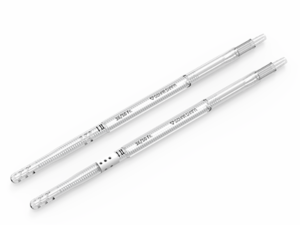
Venous cannula is designed for cannulation of the right atrium and inferior vena cava (IVC) with one cannula with minimal penetration into the surgical site. The narrow end of the two-stage cannula is threaded into the IVC and receives blood from it. The wider proximal portion of the cannula has side holes designed to rest within the right atrium, thus receiving blood from the superior IVC and coronary sinus
MODELS:
1. Two Stage Venous Cannulae Wirewound Integrated with Obturator
2. Low Profile Two Stage Venous Cannulae Wirewound with Obturator (Oval)
Heart Surgery
Venous cannula is designed for cannulation of the right atrium and inferior vena cava (IVC) with one cannula with minimal penetration into the surgical site. The narrow end of the two-stage cannula is threaded into the IVC and receives blood from it. The wider proximal portion of the cannula has side holes designed to rest within the right atrium, thus receiving blood from the superior IVC and coronary sinus
MODELS:
1. BendEase Two Stage Venous Cannula Wirewond with Obturator
2. Low Profile Bendease Two Stage Venous Cannula Wirewond with Obturator (Oval)
Heart Surgery
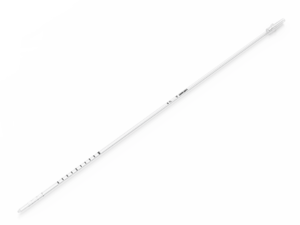
Vent Catheters are used to relieve and decompress the left ventricle during cardiopulmonary bypass cannulation. They are generally inserted through the pulmonary vein into the left ventricle and used as a suction catheter to assist in the complete drainage of blood from the heart