
Cardio Vascular Intervention
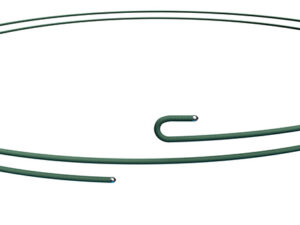
Cardio Vascular Intervention
The angiographic guidewire is used to gain access and pass instrumentation during diagnostic and interventional procedures. Specifically, it guides catheters and angioplasty tools, including stents, balloons, etc., in the patientʼs vessels.
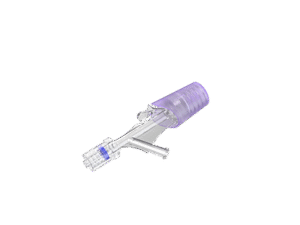
Cardio Vascular Intervention
This semi auto Y-connector provides an easy-to-use hemostatic device for both diagnostic and interventional procedures.
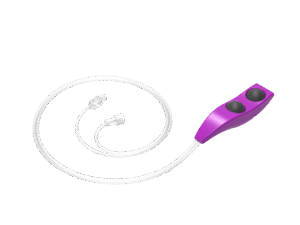
Cardio Vascular Intervention
The angiographic hand controller kit facilitates instantaneous injection and provides responsive control of the flow rate and volume of radiopaque contrast media during angiographic procedures.
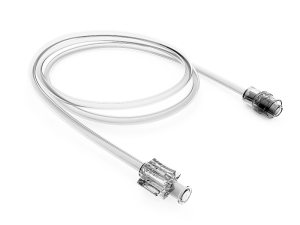
Cardio Vascular Intervention
For use during angiography or interventional procedures as a conduit to transmit contrast media.
Cardio Vascular Intervention
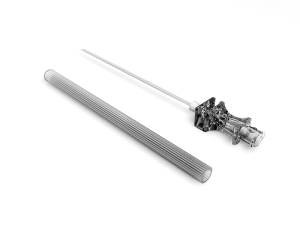
The Seldinger needle is used in theinto a blood vessel or body cavity. In this percutaneous insertion of a catheter technique, the needle is used to puncture the target structure, and a guidewire is advanced through the needle. After the needle is withdrawn, a catheter is threaded over the guidewire. The guidewire is then removed, leaving the catheter in place.

Cardio Vascular Intervention
The chest tube is designed with a conical distal end, eliminating the need for a connector to attach it to the drainage system. It is available in two versions: with a blue radiopaque line for heart surgery, and with a gray radiopaque line for lung surgery.
Cardio Vascular Intervention
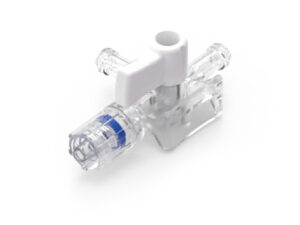
The three-way stopcock is a medical connector used to control the flow of fluids (such as intravenous medications, blood, or IV solutions) between multiple pathways. It allows switching between infusion ,aspiration, or pressure monitoring (e.g., in arterial lines, intravenous therapy, or epidural anesthesia)