
Heart Surgery
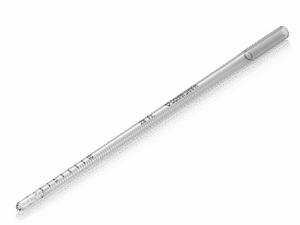
venous cannula is designed to drain systemic deoxygenated blood into the heart and lung machine during cardiopulmonary bypass surgery. It is used in cases where a completely bloodless space is desired (e.g., valve surgery) or access to the right atrium is necessary.
MODELS:
1. Flexible Single Stage Venous Cannula
Urology
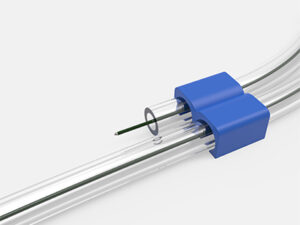
straight-Tip Guide Wire Gaining access and passing instrumentation during diagnostic and interventional Procedures

Heart Surgery
Chest Tube has been designed and produced in a cone shape in the distal end so there is no need to use a connector to connect the tubes to the chest bottle or any other means. Designed in two forms, with a blue radiopaque line for open heart surgery and with gray radiopaque line for lung surgery.
MODELS:
1. Straigth Thoracic Catheter (Chest Tube)
2. Right Angle Thoracic Catheter (Chest Tube)

Cardio Vascular Intervention
Discharger the pleural area GoharShafa Chest tubes has been designed and produced in cone shape in distal end so there is no need to use a connector to connect the tubes to chest bottle or any other means.

Heart Surgery
Chest Tube Discharg The Pleural Area
Gohar Shafa Chest tubes has been designed and produced in cone shape in distal end so there is no need to use a connector to connect the tubes to chest bottle or any other means.

Gastroenterology
Transit Marker Gohar Shafa radiopaque marker is a diagnostic aid developed to assess colonic transit time in patients with chronic constipation, chronic diarrhea, or IBS.
Heart Surgery
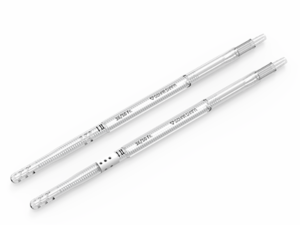
Venous cannula is designed for cannulation of the right atrium and inferior vena cava (IVC) with one cannula with minimal penetration into the surgical site. The narrow end of the two-stage cannula is threaded into the IVC and receives blood from it. The wider proximal portion of the cannula has side holes designed to rest within the right atrium, thus receiving blood from the superior IVC and coronary sinus
MODELS:
1. Two Stage Venous Cannulae Wirewound Integrated with Obturator
2. Low Profile Two Stage Venous Cannulae Wirewound with Obturator (Oval)
Heart Surgery
Venous cannula is designed for cannulation of the right atrium and inferior vena cava (IVC) with one cannula with minimal penetration into the surgical site. The narrow end of the two-stage cannula is threaded into the IVC and receives blood from it. The wider proximal portion of the cannula has side holes designed to rest within the right atrium, thus receiving blood from the superior IVC and coronary sinus
MODELS:
1. BendEase Two Stage Venous Cannula Wirewond with Obturator
2. Low Profile Bendease Two Stage Venous Cannula Wirewond with Obturator (Oval)
Urology
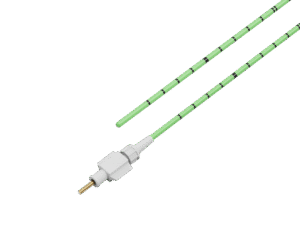
Ureteral catheters are commonly used in urology for direct ureteral drainage, urine sample collection navigating small strictures, and accessing the renal pelvis for diagnostic and therapeutic procedures. This high-quality ureteral catheter is designed to maximize patient comfort. Its smooth surface minimizes tissue damage during insertion, reducing the risk of ureteral reactions that could lead to ulcers, swelling, and inflammation

The double J stent for kidney transplant surgery, as a critical medical device, has specific features that aid in improving function and reducing complications in kidney transplant patients.
Urology
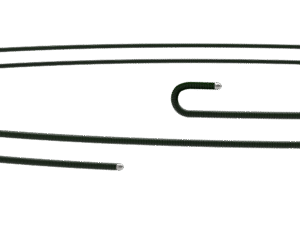
Gohar Shafa guidewires are designed to ensure rapid access, easy advancement, and maximum maneuverability, and help provide precise control at every step of the process. Urological guidewires are usually used to guide the ureteral catheter or double J stent in the urinary tract and ureter, which are produced in different types, sizes, and lengths for this purpose. Knowing this seemingly simple device and correctly using it will lead to optimal efficiency and better accessibility during the process.
MODELS:
1. Urologic Guidewire (WITH HYDROPHILIC COATING)
2. Urologic Guidewire (WITH PTFE COATING)
Heart Surgery
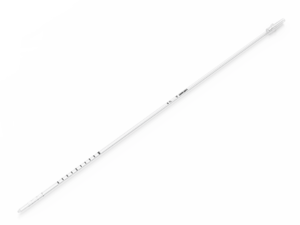
Vent Catheters are used to relieve and decompress the left ventricle during cardiopulmonary bypass cannulation. They are generally inserted through the pulmonary vein into the left ventricle and used as a suction catheter to assist in the complete drainage of blood from the heart
Heart Surgery
Vent Catheters are used to relieve and decompress the left ventricle during cardiopulmonary bypass cannulation. They are generally inserted through the pulmonary vein into the left ventricle and used as a suction catheter to assist in the complete drainage of blood from the heart