
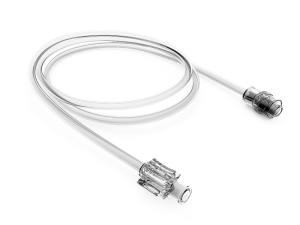
Cardiovascular Intervention
For use during angiography or interventional procedures as a conduit to transmit contrast media.
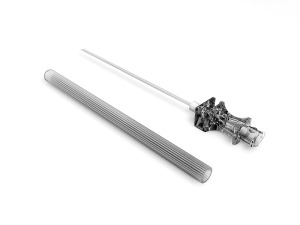
Cardiovascular Intervention
The Seldinger needle is used in theinto a blood vessel or body cavity. In this percutaneous insertion of a catheter technique, the needle is used to puncture the target structure, and a guidewire is advanced through the needle. After the needle is withdrawn, a catheter is threaded over the guidewire. The guidewire is then removed, leaving the catheter in place.

Gastroenterology
The intestinal transit Marker is a diagnostic aid developed to assess colonic transit time in patients with chronic constipation, chronic diarrhea, or IBS.
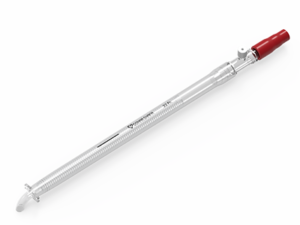
Heart Surgery
Arterial cannulae are designed for extra corporeal blood flow. During open-heart surgery, the surgeon from blood flow, and therefore, the heart canʼt pump blood. Blood is drained to the heart-lung machine. Aorta through the curved tip arterial cannula, so oxygenated blood from the heart and lung the patientʼs arterial system. machine is directly delivered to Then it returns to the shunts the heart
MODELS:
- Curved Tip Arterial Cannulae (Wirewound Reinforced)
- Curved Tip Arterial Cannulae (Wirewound Reinforced) Without Filter
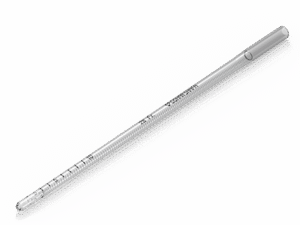
Heart Surgery
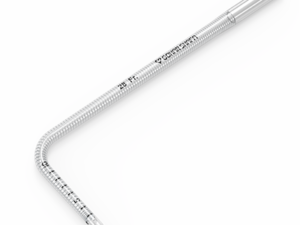
venous cannula is designed to drain systemic deoxygenated blood into the heart and lung machine during cardiopulmonary bypass surgery. It is used in cases where a completely bloodless space is desired (e.g., valve surgery) or access to the right atrium is necessary.
MODELS:
1. Flexible Single Stage Venous Cannula
Heart Surgery
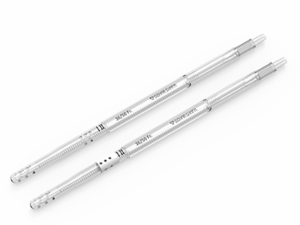
venous cannula is designed to drain systemic deoxygenated blood into the heart and lung machine during cardiopulmonary bypass surgery. It is used in cases where a completely bloodless space is desired (e.g., valve surgery) or access to the right atrium is necessary.
MODELS:
1. Malleable Single Stage Venous Cannula
Heart Surgery
Venous cannula is designed for cannulation of the right atrium and inferior vena cava (IVC) with one cannula with minimal penetration into the surgical site. The narrow end of the two-stage cannula is threaded into the IVC and receives blood from it. The wider proximal portion of the cannula has side holes designed to rest within the right atrium, thus receiving blood from the superior IVC and coronary sinus
MODELS:
1. Two Stage Venous Cannulae Wirewound Integrated with Obturator
2. Low Profile Two Stage Venous Cannulae Wirewound with Obturator (Oval)
Heart Surgery
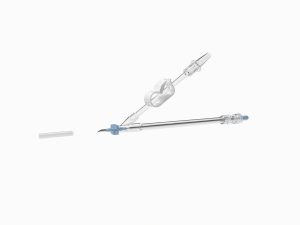
Venous cannula is designed for cannulation of the right atrium and inferior vena cava (IVC) with one cannula with minimal penetration into the surgical site. The narrow end of the two-stage cannula is threaded into the IVC and receives blood from it. The wider proximal portion of the cannula has side holes designed to rest within the right atrium, thus receiving blood from the superior IVC and coronary sinus
MODELS:
1. BendEase Two Stage Venous Cannula Wirewond with Obturator
2. Low Profile Bendease Two Stage Venous Cannula Wirewond with Obturator (Oval)
Heart Surgery
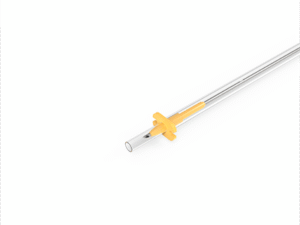
Aortic root cannula is used to administer cardioplegia solutions for the cardiopulmonary bypass procedure. Aortic root cannula with vent line is proposed for cardioplegia solutions administration, the left .heart venting, and aspirating emboli from the aorta
Heart Surgery
Aortic root cannula is used to administer cardioplegia solutions for the cardiopulmonary bypass procedure. Aortic root cannula with vent line is proposed for cardioplegia solutions administration, the left .heart venting, and aspirating emboli from the aorta
Heart Surgery
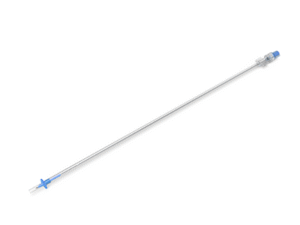
The minimally invasive aortic root cannula is designed for safe, efficient antegrade cardioplegia delivery through Mini sternotomy or right thoracotomy during cardiac surgery. Its long body enables easy insertion through smaller incisions, reducing tissue trauma while ensuring optimal myocardial protection.
Heart Surgery
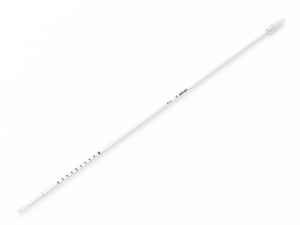
Vent Catheters are used to relieve and decompress the left ventricle during cardiopulmonary bypass cannulation. They are generally inserted through the pulmonary vein into the left ventricle and used as a suction catheter to assist in the complete drainage of blood from the heart
Heart Surgery
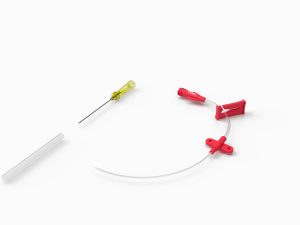
Arterial Catheter Set is the most commonly used in intensive care medicine and anesthesia to moni blood pressure directly and in real time and to obtain samples for arterial blood gas analysis. This set allows access to the peripheral arterial circulation or other small vessels.

Heart Surgery
Chest Tube Discharg The Pleural Area
Gohar Shafa Chest tubes has been designed and produced in cone shape in distal end so there is no need to use a connector to connect the tubes to chest bottle or any other means.

Heart Surgery
Chest Tube has been designed and produced in a cone shape in the distal end so there is no need to use a connector to connect the tubes to the chest bottle or any other means. Designed in two forms, with a blue radiopaque line for open heart surgery and with gray radiopaque line for lung surgery.
MODELS:
1. Straigth Thoracic Catheter (Chest Tube)
2. Right Angle Thoracic Catheter (Chest Tube)
Heart Surgery
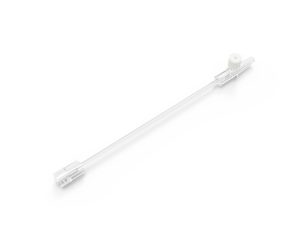
The cardioplegia adapter is a specialized connector in the cardiopulmonary bypass(CPB) system that enables controlled delivery of cardioplegia solution (cardiac) delivery of cardioplegia solution (cardiac arrest solution) to the aortic root or coronary arteries. It also provides a secure connection between the cardioplegia line,the aortic cannula, and the bypass pump.
Heart Surgery
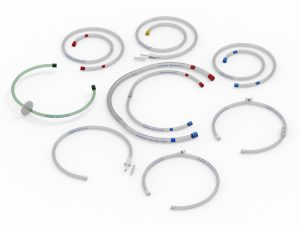
used during cardiac surgery to establish extracorporeal The oxygenator tubing set is an essential component machine (oxygenator). It comprises a series of specialized circulation between the patient and the heart-lungmedical-grade tubes and connectors that enable the machine (oxygenator). It comprises a series of specialized safe and efficient transfer of blood throughout the cardiopulmonary bypass procedure.
Oncology
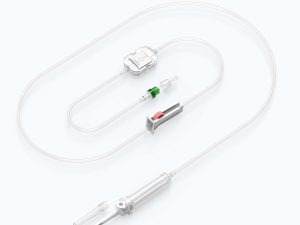
This infusion set is specially designed for use in chemotherapy where inline filtration is not required. Manufactured with DEHP-free materials, it minimizes chemical interaction with chemotherapeutic agents and is ideal for use with sensitive cancer patients. Using conventional sets can lead to symptoms such as restlessness, dizziness, and nausea due to potential chemical interactions.
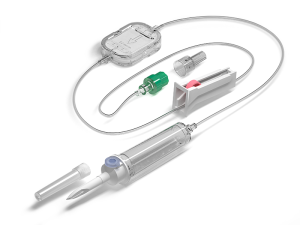
This advanced chemotherapy infusion set incorporates a built-in 0.2-micron inline filter, providing critical protection by eliminating bacteria, fungi, particulates, and air emboli from entering the patient’s venous system. Ideally suited for drugs prone to precipitation or contamination, it ensures infusion safety. Manufactured with DEHP-free materials, the set guarantees secure and reliable delivery of chemotherapeutic agents.
Radio Intervention
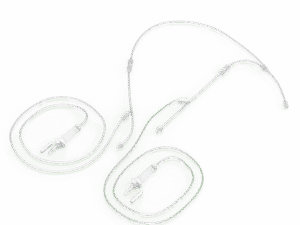
The Dual Flow Tube System is a single-use, double-head tube system designed for contrast media and saline solution injection during CT and MRI examinations. This system enhances image quality and patient safety by ensuring precise and consistent contrast delivery
Radio Intervention
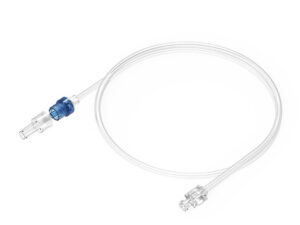
The extension line is specially designed to ensure safe, contrast media administration during angiographic procedures.
MODEL: Extension Line (300 Psi)

Radio Intervention
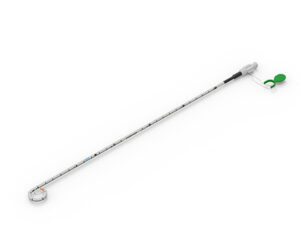
This biliary drainage catheter is used to remove excess bile in patients with bile duct obstruction. The mini pigtail configuration facilitates easy and secure positioning within the biliary ducts.
MODEL: External Biliary Drainage Set
Radio Intervention
This catheter enables both internal and external biliary drainage in patients with biliary obstruction. The pigtail loop is designed for secure placement within the duodenum, while the side holes facilitate effective bile drainage across strictured segments of the bile duct. A hydrophilic coating on the distal 10 cm of the catheter facilitates smooth insertion and accurate positioning.
MODEL:Internal-External Biliary Drainage Set

Radio Intervention
The multipurpose drainage catheter is designed for efficient drainage of fluids from various body cavities and organs. Widely used in interventional radiology and surgical procedures, it is suitable for applications such as abscess drainage, pleural effusion drainage, and ascites management. A hydrophilic coating on the distal 10 cm of the catheter facilitates smooth insertion and accurate positioning
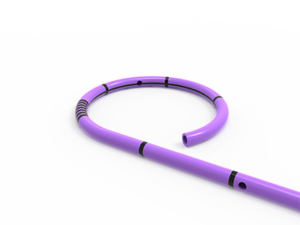
In cases of ureteral obstruction or injury - whether due to kidney stones,kidney transplantation, or other causes -physicians often use a double-J stent to temporarily drain urine from the kidney to the bladder while definitive treatments are implemented. Double-J stent placement can be performed through techniques such as cystoscopy, ureteroscopy, and open surgery. Gohar Shafa Company offers a range of designs, lengths, and coatings to meetthe anatomical and procedural needs of diverse patients.
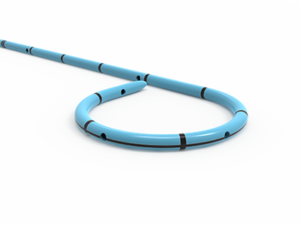
The hydrophilic coating on the ureteral stent makes its surface slippery when in contact with fluids. This characteristic reduces friction and facilitates the passage of the stent through the ureter.
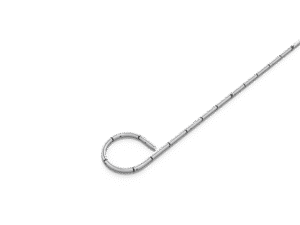
The antimicrobial ureteral stent minimizes infection risk and enhances performance, offering a safer, more comfortable experience for patients
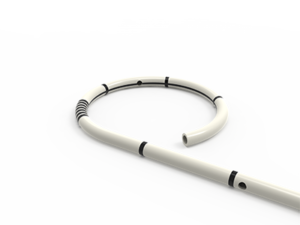
The double-J stent with a diamond-like carbon coating is manufactured using advanced technology for long-term therapeutic applications. This specialized coating significantly reduces the formation of crystalline biofilms, deposits, and urinary tract infections.

The double J stent for kidney transplant surgery, as a critical medical device, has specific features that aid in improving function and reducing complications in kidney transplant patients.
Urology
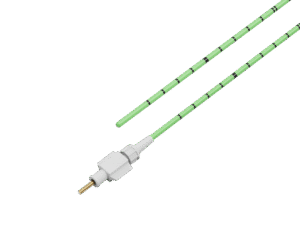
Ureteral catheters are commonly used in urology for direct ureteral drainage, urine sample collection navigating small strictures, and accessing the renal pelvis for diagnostic and therapeutic procedures. This high-quality ureteral catheter is designed to maximize patient comfort. Its smooth surface minimizes tissue damage during insertion, reducing the risk of ureteral reactions that could lead to ulcers, swelling, and inflammation